Solar Panels
How Does the Federal Solar Tax Credit Work: What Ended and What Is Left
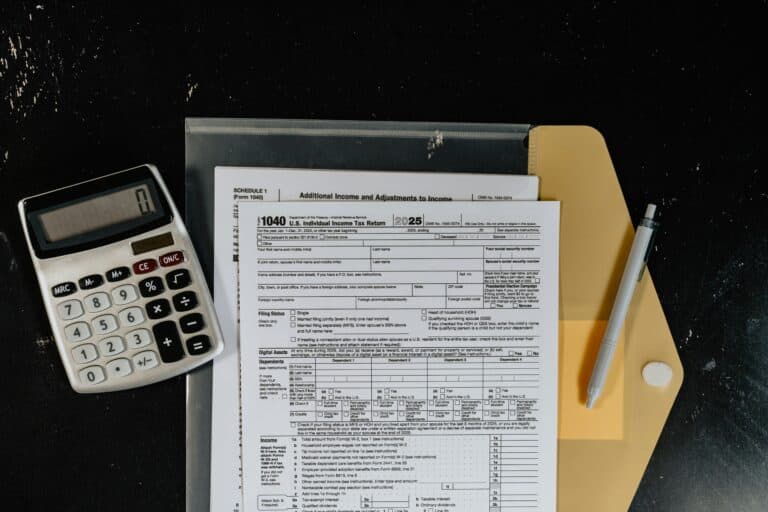
The residential credit no longer exists for new purchases, because Section 25D terminated for expenditures made after December 31, 2025.…
Whole-home battery backups, DIY off-grid builds, and portable solar generators. Real wiring diagrams, real sizing math, and net-metering numbers for your actual utility.
Solar Array400W × 8 panels
→Charge Controller60A · 150V input
→LiFePO4 Battery Bank15 kWh usable
→Inverter / Transfer SwitchWhole-home backup
LIVEEach hub is a full silo: a pillar guide, supporting deep-dives, and the calculator that matches the decision you are trying to make.
How solar panels perform in the real world, covering efficiency, heat, cleaning, lifespan, orientation, and mixing panels.
Open hub →Building your own off-grid system is the most rewarding and the most unforgiving path into solar. Get the component matching right and you have a setup that outlasts anything off the shelf. Get the wire gauge or fuse sizing wrong and you have a fire risk. The difference is knowing the numbers, and the numbers are not hard once they are explained clearly. This hub is the technical core of the site: wiring diagrams, charge controller and inverter selection, busbar and fuse sizing, panel-to-battery matching, and build guides for vans, cabins, sheds, and ground mounts. The content assumes you want to understand the system, not just copy a parts list. Treat every guide as a starting point and confirm your final design with a licensed electrician before you energize anything.
Open hub →A whole-home battery backup keeps your essential circuits running when the grid goes down, and choosing one means working through real tradeoffs: how many kilowatt-hours you actually need, whether to back up the whole panel or just critical loads, and which battery chemistry fits your budget and climate. The wrong size is an expensive mistake in either direction, so the math matters more than the marketing. This hub covers home battery backup from first principles. You will find sizing guidance, the difference between partial and whole-home systems, transfer switch and interlock basics, LiFePO4 versus other chemistries, and honest comparisons of the systems worth considering. The goal is a setup that holds through a real outage, not a spec sheet that looks good in a showroom.
Open hub →Portable power stations have replaced gas generators for a growing number of homes, and for good reason: they run indoors without fumes, recharge from solar, and need almost no maintenance. The catch is that capacity, output, and expandability vary enormously, and a unit that runs a CPAP all night may stall the moment you plug in a refrigerator. This hub breaks down portable solar generators by what they can genuinely power and who they suit. Expect capacity-tier explainers, use-case guides for RVs, medical equipment, job sites, and outages, real-world run-time math, and brand-versus-brand comparisons. Every recommendation is built on published specifications and documented owner experience, so you can match a unit to your actual load instead of a headline wattage.
Open hub →Practical resilient-power guidance. No spam, unsubscribe anytime.